Core Features of Backhoe Loaders: Efficient Construction and Technological Upgrades
In the construction industry, backhoe loaders—integrating loading and excavation functions—have become mainstream for high-efficiency operations. With their unique "front shovel, rear excavator" design, these machines are widely used in municipal projects, mining, and earthworks, optimizing both productivity and cost control through functional integration.
1. Mechanical Structure & Operation Principle
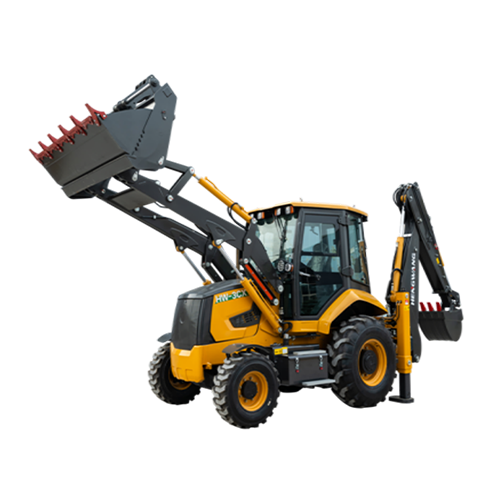
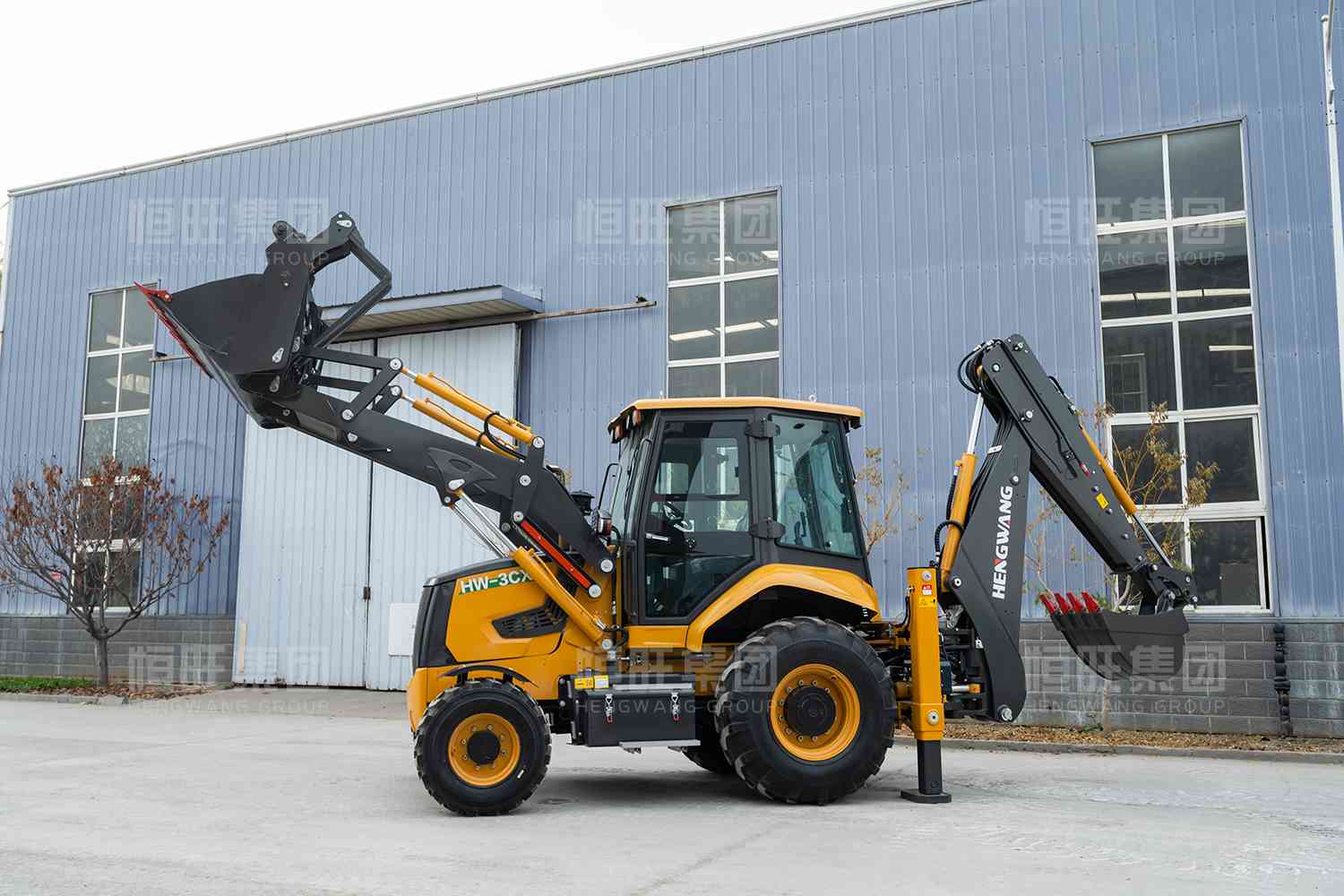
A backhoe loader consists of a front loading bucket, rear excavation arm, hydraulic drive system, and tracked chassis. The front bucket, made of high-strength wear-resistant steel, handles material loading/transport for sand, soil, etc. The rear excavator arm, via a boom-link mechanism, enables 360° rotation with a maximum digging depth of 4.5 meters. Its dual-pump hydraulic system dynamically allocates power between front/rear attachments, ensuring balanced performance during simultaneous operations.
2. Five Key Operational Advantages
3. Application Scenarios & Challenges
4. Technological Upgrade Directions
5. Industry Outlook
Driven by new urbanization and rural revitalization, county-level demand for backhoe loaders grows 25% annually. In the next 3 years, equipment will trend toward "lightweight + intelligent": sub-5-ton models are expected to rise from 38% to 55% of sales, while remote control technology enhances safety in high-risk environments. For small-to-medium contractors, backhoe loaders are evolving from "efficiency tools" to "core cost-optimization equipment," becoming a standard in construction mechanization upgrades.